

In an era where tech increasingly integrates with our everyday existence, understanding the complexities of human-robot interaction has never been more essential. As move from factories to residences, offices, and sometimes social environments, the need for efficient communication between humans and these machines becomes vital. This is where a Human-Robot Interaction course comes into play, offering insights and skills that equip individuals to navigate this fascinating field.
Whether you are a novice interested about the impact of robotics or a seasoned professional looking to enhance your expertise, this course provides a comprehensive overview. You'll discover not only the basics of human-robot interaction but also explore advanced ideas, hands-on assignments, and the ethical considerations that shape the robotics landscape. Ultimately, becoming proficient in human-robot interaction is about fostering collaboration between intellects and machines, equipping you for an exciting future where innovative technology thrives. ###
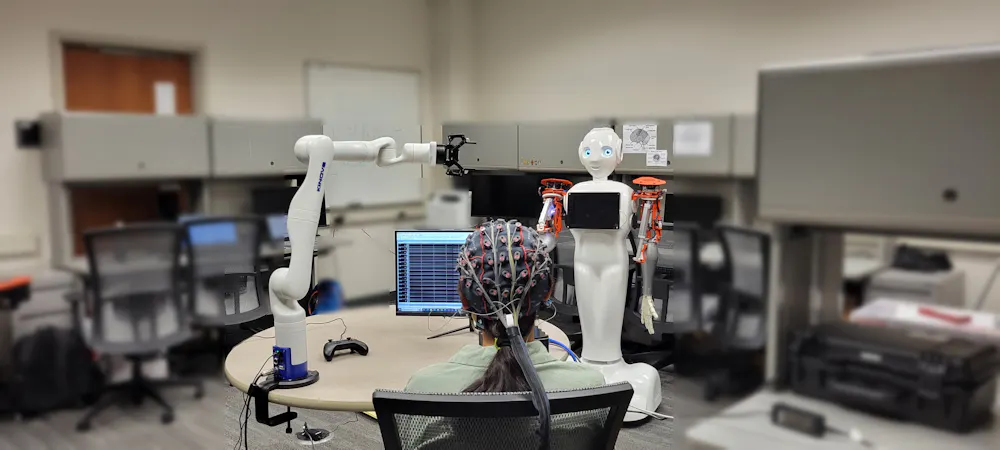
Interactions between humans and robots is an multifaceted field that examines the ways in which humans and robots engage, collaborate , and coexist . This field of research analyzes the creation , application, and assessment of systems that support effective interactions between humans and robotic agents . The aim is to create robots that can understand and react to human behavior, making them highly responsive and able to functioning alongside humans in various environments.
As robotics becomes increasingly prevalent , the significance of Human-Robot Interaction continues to expand . With robots now showing up in homes, workplaces, and public environments, understanding how to interact with these machines is vital. A Human-Robot Interaction course prepares learners with the skills to develop user-friendly robots, ensuring they can function in ways that are secure , efficient , and culturally appropriate . This training assists address fundamental inquiries about how people perceive and engage with robotic systems .
Moreover , the field of Human-Robot Interaction is continually evolving , driven by breakthroughs in artificial intelligence and machine learning. As these technologies improve , robots become more skilled in complex interactions , raising new hurdles and opportunities in their creation. Courses in this area often include practical experiences, allowing students to experiment with real-world applications and lead in future trends. By understanding the dynamics of Human-Robot Interaction, individuals can help in innovations that elevate collaboration between humans and machines.
Core Competencies and Advantages
In a Human-Robot Interaction course, students develop crucial skills that close the space between technology and human behavior. Understanding how individuals interact with robots is crucial in designing systems that are intuitive and functional. Students study about design focused on users, user testing, and the cognition of robot-human interaction, which are vital for creating natural interfaces and enhancing the user experience. This primary knowledge equips individuals with the ability to meet challenges that arise in practical uses of robotics.
Furthermore, participants develop technical skills such as coding, robot design, and incorporating AI. These competencies are not only desirable to employers but also essential in creating innovative solutions within different domains, including healthcare, leisure, and manufacturing. The course frequently includes interactive projects where students apply academic knowledge to create working prototypes, sharpening their ability to solve problems and enhancing their collaboration skills in collaborative projects.
The gains of completing a Human-Robot Collaboration course reach beyond industry knowledge. Graduates are ready to adapt to the fast-evolving landscape of the tech industry. As fields increasingly incorporate robotics and AI, having skills in human-robot interfaces becomes indispensable. Additionally, the ethical issues taught in the course assist students manage the challenges of technology deployment in society, ensuring they contribute positively to future innovations while being aware of their societal impact.
Career Pathways in HRI
As the area of HRI continues to expand, numerous career opportunities arise for workers equipped with the right skills and expertise. Completers of HRI courses can explore various roles in sectors such as healthcare, production, and entertainment. Roles may encompass UX designers for robotic interfaces, engineering roles in robotics, or research scientists focusing on optimizing HRI cooperation. The need for trained professionals in this niche domain promises a thriving employment market, making it a promising career choice.
Another notable pathway is in education and research. Those who have completed human-robot interaction courses may choose for higher degrees, which can lead to careers as researchers or educators. In these roles, they can participate to cutting-edge projects that expand the boundaries of how humans and robots can collaborate efficiently. Instructing the next wave of students in this emerging field also allows them to shape the understanding and implementation of HRI concepts in various disciplines.
In also to traditional roles, there are opportunities in startups and technology companies focused on robot technology. Many organizations are actively exploring new applications for robotics in daily life, leading to roles that require innovation and cross-disciplinary knowledge. HRI certification can work on the creation of consumer-oriented robot products or on enhancing current systems. With the inclusion of artificial intelligence and machine learning, the outlook of employment in human-robot interaction is poised for swift evolution, ensuring an dynamic environment for those entering this field.