

Since technology continues to advance at an remarkable rate, the interaction between humans and robots has become a crucial area of focus. The field of Human-Robot Interaction (HRI) is emerging as a vital discipline that closes the gap between human skills and the functions of robots. Enrolling in a Human-Robot Interaction course can equip individuals with necessary skills to steer this evolving landscape, thus becoming increasingly vital for workers across multiple fields.
These courses delve into the difficulties of designing effective and natural interactions between people and machines, highlighting the importance of communication, comprehension, and sympathy in technology. As robots are more integrated into our daily lives, grasping the principles of HRI can prepare individuals not only for present job opportunities but also for crafting the future of technology. Whether you are a beginner exploring this fascinating field or a designer seeking enhance your skill set, a Human-Robot Interaction course offers precious insights and real-world experiences that will impact the way we work together with smart machines.
Significance of HRI Interaction Courses
HRI courses are vital in the current fast-evolving technological landscape. As robots increasingly integrate a part of everyday life, comprehending how people and robots can efficiently interact and work together is imperative. These courses equip learners with the knowledge and skills needed to create, implement, and assess interactions between humans and robotic systems, ensuring that technology serves its designed purpose while improving user engagement.
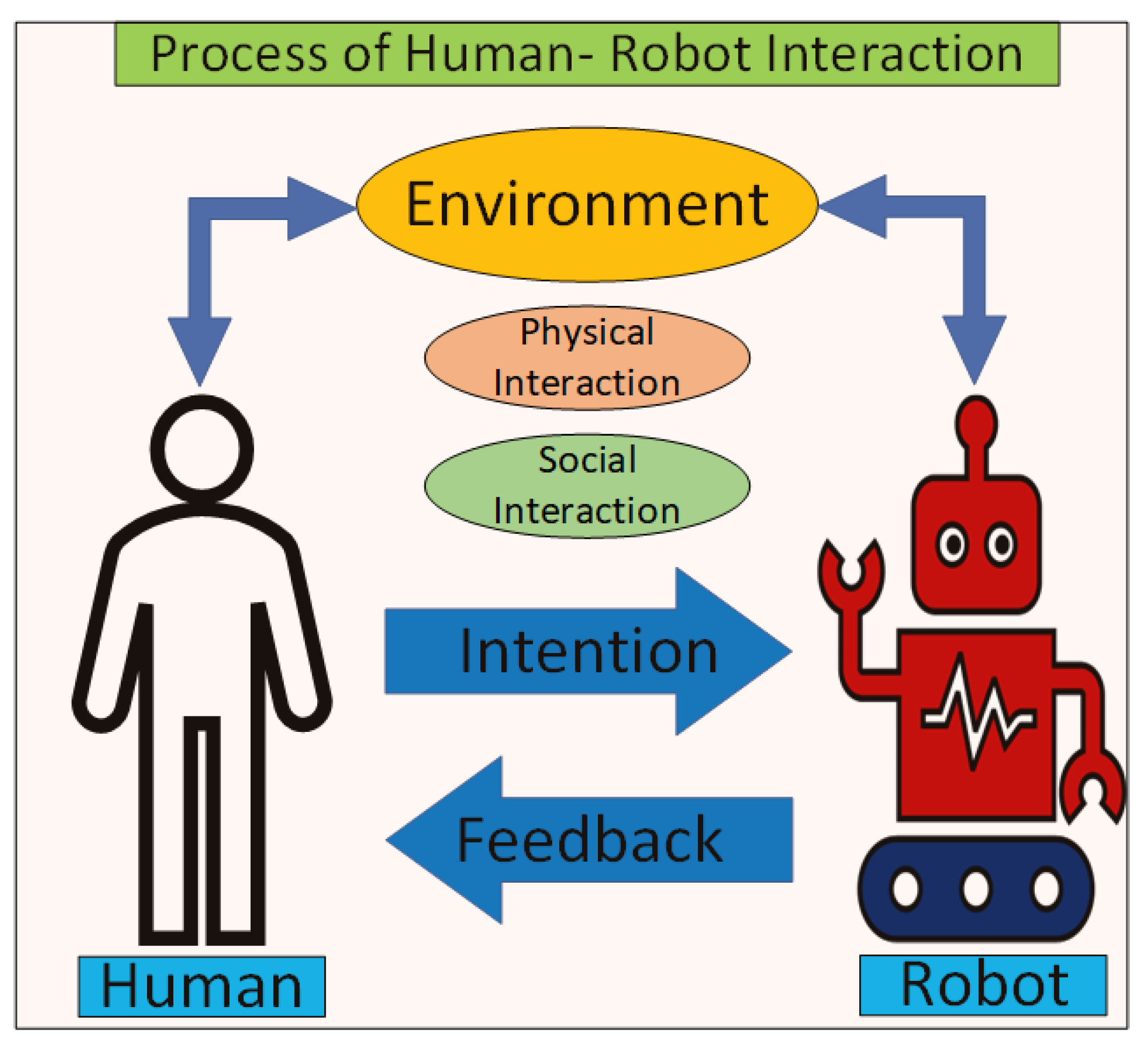
The significance of these courses lies not only in the practical skills gained but also in the multidisciplinary approach they promote. By integrating elements from psychology, design, engineering, and AI, students learn to examine the nuances of human behavior and the various ways robots can react. This comprehensive understanding is vital for developing robots that are not only functional but also intuitive and easy to use, promoting a positive relationship between humans and machines.
Moreover, Human-Robot Interaction courses train individuals for new career opportunities in a field that is anticipated to expand significantly. With industries spanning healthcare to manufacturing actively adopting robotic solutions, the demand for professionals equipped with skills in human-robot interaction is increasing. By taking these courses, students position themselves at the leading edge of innovation, prepared to assist in molding the future of technology and improving the roles robots play in our lives.
Key Skills and Concepts Learned
The Human-Robot Interaction program equips learners with a wide range of abilities essential for fostering harmonious communication among humans and robots. A key skills acquired is grasping UX design, which focuses on creating user-friendly interfaces that boost engagement. Through understanding how to create user-centric systems, students can ensure that robots understand and react to human inputs correctly and effectively. This includes an understanding of user testing and feedback mechanisms, enabling designers to improve their creations based on genuine user experiences.
In addition to design skills, learners delve into the technical dimensions of robotics and artificial intelligence. Classes often covers fundamentals in coding languages frequently utilized in robotics, like Python, alongside theory in AI that are key to creating intelligent machines. Understanding techniques for ML and NLP is crucial, as these enable robots to learn from their surroundings and evolve in their relations with humans, rendering them much more capable and flexible.
Lastly, ethical considerations and social implications surrounding human-robot interactions are critical components of the curriculum. Learners examine the moral challenges posed by automation and the role of machines in everyday life, encouraging a deep understanding of the wider implications of technology. This insight prepares learners to approach their work with an awareness of advancement is pursued while maintaining moral guidelines and promoting trust in robotic systems.
Upcoming Job Opportunities in Human-Robot Collaboration
As tech continues to evolve, the requirement for professionals skilled in robot-human interaction is quickly growing. Individuals of HRI classes can pursue careers in multiple fields such as medical care, production, and service sectors, where robots are becoming essential to operational efficiency. Roles like HRI designers, UX researchers, and robotics educators are developing, allowing individuals to shape the way people engage with innovative tech.
Another promising area is the development of assistive technologies. Professionals with expertise in human-robot interaction are crucial in creating robots that can aid elderly or disabled individuals, improving their quality of life. This sector presents options in research and development, where individuals can create innovative solutions that integrate robotics with user-centered design, ensuring that tech remains user-friendly and advantageous to everyone.
Finally, as AI becomes more embedded into the field of robotics, individuals with a background in human-robot interaction are becoming important resources in the IT industry. Firms are seeking people who comprehend the nuances of user experience and can link between people and computers. This encompasses roles in ethical AI, where professionals focus on making sure that innovation aligns with ethical standards, thus shaping the future of robotic cooperation.