

In an age where technology is evolving at an extraordinary pace, the interaction between humans and robots is turning into a focal point of innovation and development. The Human-Robot Interaction course is more than an academic offering; it stands as a significant step towards grasping and shaping our future together with intelligent machines. With robots gradually involved in various sectors, spanning healthcare to manufacturing, gaining insights into how we can collaborate with these technologies is crucial.
This course delivers a thorough study of the principles and dynamics that shape our interactions with robots. By exploring key topics such as communicative approaches, ethical considerations, and the role of artificial intelligence, students will equip themselves with essential skills that will but also enhance their career prospects but also support the development of more intuitive and effective robotic systems. Whether you are a veteran professional or a novice beginner, the Human-Robot Interaction course opens doors to a new world of possibilities that can transform everything about how we live and work in conjunction with technology.
Grasping Human and Robot Interaction Classes
HRI programs aim to investigating the methods in which individuals and machines can successfully connect and work together. Such classes emphasize the concepts of developing robots that can engage with people organically and easily. With Learn Physical UX in technology, the need for specialists who grasp the nuances of HRI increases, rendering these courses increasingly significant in today's job market.
In such programs, learners study about the cognitive and social components of engaging with machines. They examine areas such as UX, robot design, and the ethical aspects of using machines in various settings. https://pad.stuve.de/s/jmNp-4jS4 -disciplinary approach equips learners with a comprehensive knowledge of how machines can augment human skills while guaranteeing that engagements stay safe and efficient.
Additionally, these classes typically incorporate experiential activities that enable students to implement their skills in practical contexts. By working on actual challenges, participants gain priceless insight in programming, evaluating, and refining robotic systems. This practical learning does not only reinforces theories but also readies participants for a world where working with robots will be a typical element of everyday life.
### Skills and Opportunities in Human-Robot Interaction
A Human-Robot Interaction course provides students with a unique set of skills that are increasingly essential in a technology-driven world. Participants learn how to design, program, and evaluate robots to interact effectively and safely with humans. Key skills include understanding human behavior, crafting intuitive user interfaces, and programming robotic systems to respond to human cues. This knowledge equips individuals to create robots that are not just efficient but also user-friendly, bridging the gap between technology and its users.
The career opportunities arising from a Human-Robot Interaction course are diverse and expanding as industries adopt robotic solutions. Graduates find roles in fields such as healthcare, where robots assist in patient care, and in customer service, where robots enhance user experiences. Additionally, there are positions in research and development, focusing on advancing human-robot collaboration in various sectors. The demand for professionals adept at integrating robotics into everyday life is growing, creating a wealth of job prospects for those with this specialized knowledge.
In addition, the skills gained through a Human-Robot Interaction course foster innovation and problem-solving abilities. As technology evolves, professionals equipped with a deep understanding of both robotics and human psychology will be instrumental in developing solutions that enhance human experiences. This intersection of fields not only leads to personal career growth but also contributes to the advancement of technology that benefits society, making such courses an invaluable investment for future-minded individuals.
Selecting the Right HRI Program
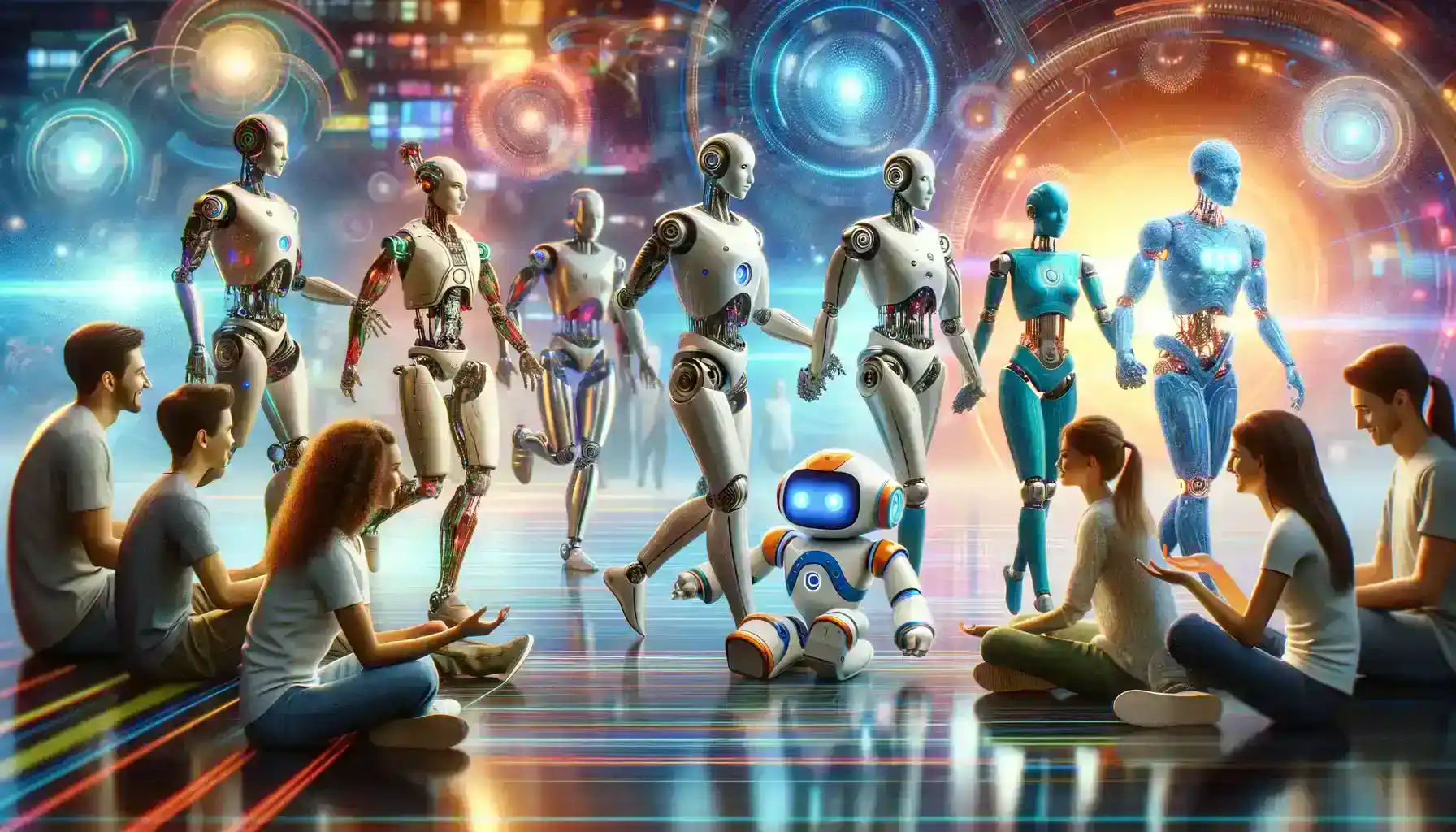
Choosing the suitable HRI course can significantly influence your learning experience and professional path. Start by identifying your particular interests and career goals in this domain. Are you looking to understand the design features, coding, or the moral aspects of robotics? Defining your objectives will assist you narrow down the options that match your interests.
Then, think about the course delivery format that matches your preferred learning method. Online courses offer versatility, allowing you to study at your own pace and from anywhere, while face-to-face courses provide direct interaction with instructors and fellow students. Research the syllabus, length, and the combination between theoretical knowledge and practical hands-on projects, as hands-on experience is crucial in this field.
Finally, look into the standing of the organization providing the program. Investigate the credentials of the faculty, resources available, and student reviews. Certain courses may also provide connections with professionals in the field, work placements, or links with research projects. Ensuring that the program you choose meets your learning requirements and opens doors to career opportunities will help set you up for achievement in Human-Robot Interaction.