

In an age where technology and humanity increasingly intersect, the significance of understanding human-robot interaction is paramount. With robots growing to be essential to a variety of industries, spanning healthcare and entertainment, they demand an understanding and user-centered design approach. A Human-Robot Interaction course furnishes individuals with crucial skills to navigate this evolving environment, getting them to create solutions to boost collaboration between humans and machines. By exploring how robots can be built and programmed to interpret and react to human emotions, this course supplies a crucial foundation for anyone interested in the future of technology.
To individuals considering this field, a multitude of benefits await. A Human-Robot Interaction course covers a range of essential topics, from the role of artificial intelligence in enhancing user experiences to the ethical implications of robotics in society. Featuring hands-on projects and real-world applications, students will not only learn theoretical concepts as well as apply them in practical settings. If you are a beginner looking to investigate this innovative discipline or a professional aiming to deepen your expertise, understanding the nuances of human-robot interaction is vital for prospering in the technology-driven world of tomorrow.
Comprehending Human-Robot Interaction
HRI, is an interdisciplinary field that investigates how humans and robots can communicate efficiently. It includes a wide range of topics including the design of robotic systems that are intuitive and empathetic, ensuring that these machines can recognize and respond to human emotions and contextual hints. The rise of robots in various sectors has highlighted the significance of human-centric methods, making HRI a crucial area of research for those investigating the future of technology.
The significance of HRI lies in its capacity to augment the usability and acceptance of robotic systems. As robots enter workplaces and homes, ensuring that they can interact harmoniously with humans becomes essential. This demands a profound understanding of human behavior, habits, and communication strategies. Therefore, a Human-Robot Interaction course equips students with the knowledge and skills required to bridge the gap between human needs and robotic capabilities, promoting a more seamless integration of technology into daily life.
As robots become more present in our environments, the need for effective HRI becomes ever more important. By studying HRI, individuals learn on how to create robots that not only perform tasks but also engage with users in a meaningful way. This includes tackling issues of trust, security, and ethics, which are crucial for the successful adoption of robotic technology. Grasping and planning for these interactions can lead to advancements in different areas, ranging from healthcare to education, eventually transforming the future landscape of collaboration between humans and robots. spintax ### Essential Skills and Benefits
A Human-Robot Interaction course equips students with a distinct blend of skills that are vital in the evolving digital landscape. Among the primary skills acquired are software development, AI, and design thinking. Students learn how to configure robots to interact seamlessly with humans, applying AI principles to enhance these interactions. Design thinking is crucial as it aids in creating user-centric solutions, allowing students to develop empathy and understand user needs more deeply. This combination of analytical and artistic skills prepares graduates for roles in various sectors.
The benefits of enrolling in a Human-Robot Interaction course extend beyond just knowledge acquisition. It fosters collaboration and communication skills through team-based projects, where students work alongside colleagues from diverse backgrounds. This atmosphere promotes creativity, encouraging individuals to think critically about the effects of robotics in society. Additionally, experiential experiences with robots serve to solidify theoretical knowledge, making learning more interactive.
Graduates from a Human-Robot Interaction course find themselves ready for the fast-evolving job market. With the rise of robotics and AI technologies, the requirement for professionals who can connect between humans and machines is on the rise. Career opportunities encompass various areas, including medicine, education, and entertainment, where grasping how people think and creating easy-to-use systems are crucial. Ultimately, the course not only improves individual skill sets but also contributes to a world where humans and robots coexist harmoniously.
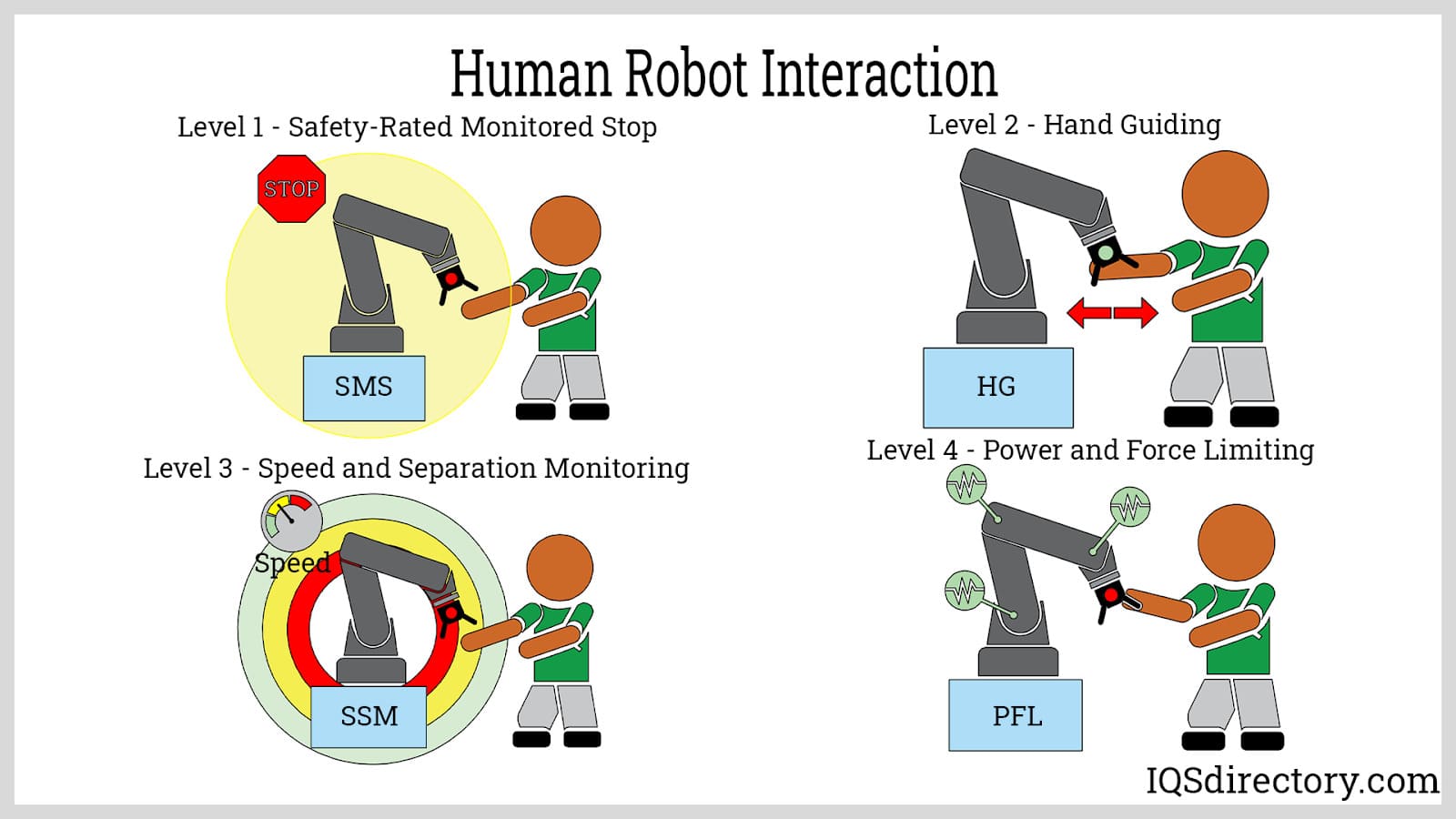
Selecting the Right Course
Selecting the appropriate Human-Robot Interaction course can greatly impact your learning journey and future career prospects. Evaluate the course content carefully; seek out comprehensive coverage of essential subjects such as user experience design, robotics, AI, and ethics. A balanced curriculum will not only provide theoretical insights but also hands-on projects that allow you to apply what you've learned in practical scenarios. Researching specific areas of emphasis within each course can help pinpoint which courses align with your interests and professional ambitions.
Additionally, a crucial consideration is the structure of the course. Online courses offer adaptability and can be a great choice for self-paced learning, while in-person classes provide opportunities for direct interaction with instructors and peers, fostering collaborative learning. Evaluate your personal learning style and schedule to decide which format would work best for you. Additionally, consider the accessibility of resources such as mentorship, connections with professionals, and job placement assistance, which can be invaluable as you advance in this area of expertise.
Lastly, investigate the reputation of the schools offering these courses. Examine reviews, testimonials, and partnerships with industry leaders, as these can indicate the standard and applicability of the coursework. Connecting with current students or alumni can provide insights into the course's value and how well it has prepared them for their professions. By integrating these elements, you can select a course that both fulfills your educational needs but also establishes a solid foundation for your future in Human-Robot Interaction.