

In rapidly evolving technological landscape, the integration of human and robotic systems is increasingly important. As work their way into different sectors, knowing how to appropriately interact with these machines is more crucial than ever. This is where HRI courses come into play, equipping individuals with essential skills to connect the gap between individuals and robots. With an focus on cooperation, communication, and ethical considerations, these programs prepare students not just to work alongside robots, but to create and lead in a world where machines are becoming central to our daily lives.
Whether you are a newcomer exploring the field or a seasoned professional looking to improve your expertise, enrolling in a Human-Robot Interaction course can provide invaluable insights into the dynamics of this emerging discipline. From the foundational concepts of human behavior and machine learning to advanced topics involving AI, these courses cover a wide range of topics vital for navigating the future of technology. As we examine the specifics of what these courses offer, you will discover the key skills you can gain and the career opportunities that await those who embrace this thrilling field.
Essential Skills Learned in HRI Program
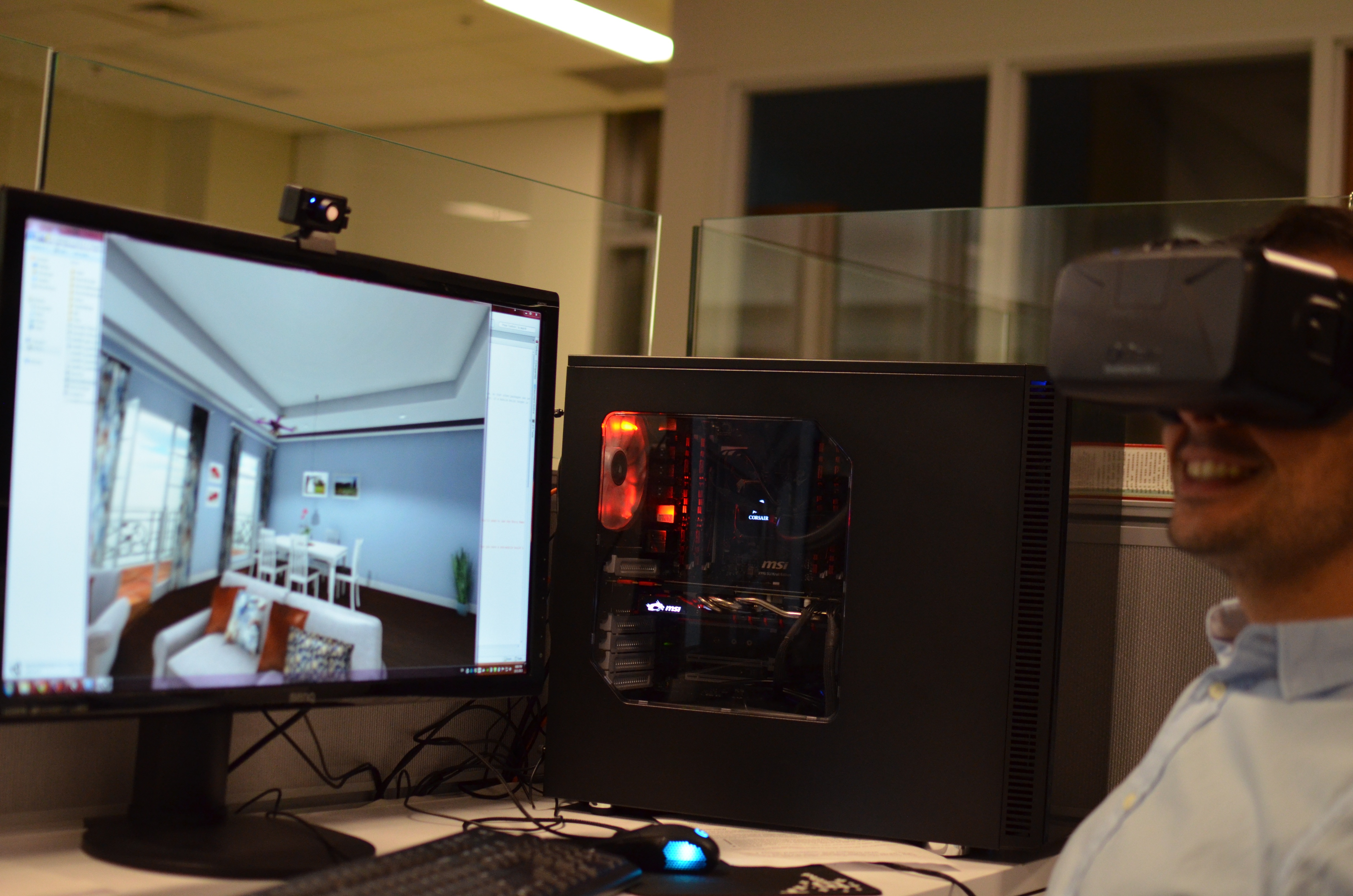
During a HRI course, students enhance a variety of key skills that are essential for successful collaboration among humans and robots. One of the main skills is understanding UX and interface design. This involves studying how to create engaging interfaces that promote easy interactions between users and robotic systems. Gaining proficiency in this area guarantees that robots can function successfully in multiple environments and still being easy to use and available to a broad user base.
A further key skill acquired through the course is coding and algorithm design specific to HRI. Students receive practical experience with programming languages and tools that allow robots to comprehend and respond to human commands and behaviors. This computational proficiency is necessary for developing adaptive systems that can improve functionality in real-world applications, from assistive technologies to autonomous vehicles.
Furthermore, students explore about the moral implications of robot introduction into the world, which is ever more important in the current technology-driven world. Understanding the moral challenges and obligations associated with HRI prepares students to address concerns such as privacy, safety, and the community influence of robotics. This skill promotes reflective thinking, making sure that next-generation developers are not only proficient technicians but also responsible innovators.
Career Paths in Human-Robot Interaction
As continues to advance, the demand for experts skilled in Human-Robot Interaction is becoming ever important across multiple sectors. Graduates from Human-Robot Interaction curricula typically find job openings in industries such as healthcare, manufacturing, and entertainment. In healthcare, for example, experts design robots that assist with patient care or surgical procedures, boosting efficiency and safety. In industry, specialists work on integrating robotic technologies to optimize operations and increase productivity, while in media, they may develop interactive experiences that engage users in novel and unique ways.
An additional important area of prospect lies in research and development. Many graduates pursue positions in scholarly or industrial research institutions, where they assist in progressing the field of automated systems. https://hedgedoc.info.uqam.ca/s/p7x7BCV3c includes exploring how robots can more effectively grasp and respond to human emotions, conduct, and surroundings. Teaming up with engineers, psychologists, and designers, these specialists challenge the frontiers of what robots can accomplish, encouraging innovation that can lead to cutting-edge applications in multiple domains.
Moreover, there are growing career paths in training and policy-making as society faces the consequences of increased human-robot interactions. Teachers who grasp the intricacies of this field play a vital role in preparing the next generation of learners and experts. Additionally, regulators need consultants who can provide insights and advice on the ethical use of robots in society. These positions are essential for ensuring that progress in robot technology are aligned with social norms and demands, highlighting the value of a well-rounded human-robot interaction education.
Choosing the Appropriate HRI Program
Selecting the appropriate HRI program is crucial for enhancing your learning experience and coordinating with your career goals. Begin by evaluating your current knowledge and skill level. If you are a beginner, look for foundational courses that present key topics and terms. For those with a background in robotics or engineering disciplines, look into higher-level courses that cover complex systems and integration techniques.
Then, investigate the curriculum and format. A well-rounded course should cover essential subjects such as UX design, robot programming, and the ethical implications of human-robot collaboration. Additionally, prioritize courses that feature hands-on assignments, as these experiences provide practical knowledge and allow you to apply what you learn in a practical setting. Look for https://silverman-flindt-2.thoughtlanes.net/steering-through-the-landscape-of-human-robot-partnership that offer a combination between conceptual knowledge and hands-on experience to ensure you gain a comprehensive understanding of the discipline.
Lastly, consider the mode of delivery that suits your needs. Online courses offer flexibility and the ability to learn at your preferred speed, while in-person courses can provide immediate interaction with teachers and classmates. Check reviews and testimonials from previous students to assess the quality of the program and the reputation of the institution. By thoughtfully assessing these factors, you can choose a HRI course that most suits your aspirations and helps you succeed in this fast-changing field.