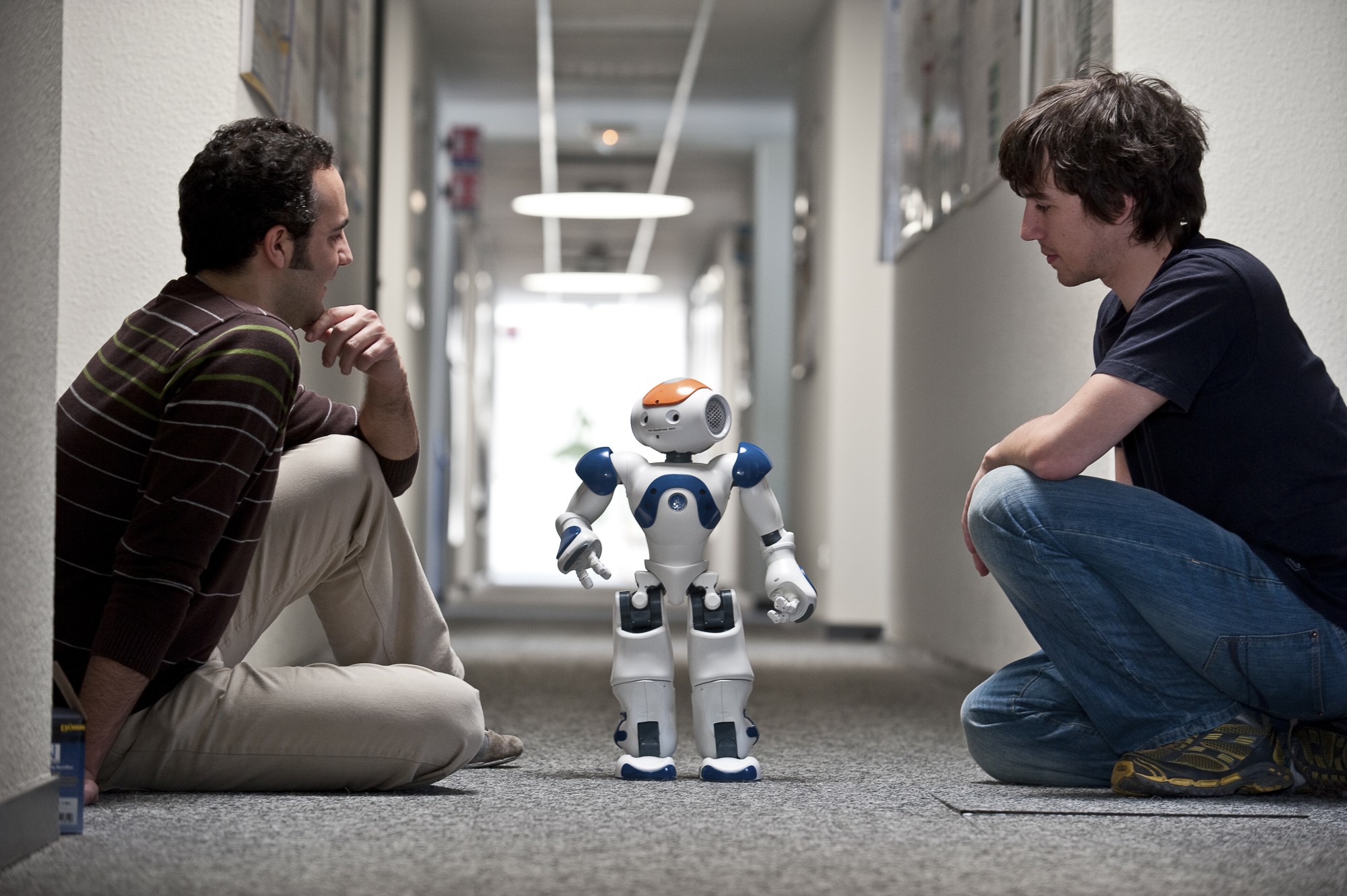
In recent years, the domain of human-robot interaction has arisen as a crucial aspect of study, integrating technology with the basics of human communication and emotional intelligence. As robots become essential parts of our daily lives, comprehending how to efficiently communicate and collaborate with them has become increasingly important. A human-robot interaction course equips students with essential skills to bridge the gap between humans and machines, promoting a more profound understanding of how these entities can live together and collaborate in harmony.
This course offers a detailed exploration of the psychological, ethical, and technical considerations of interacting with robots. It explores into the dynamics of empathy and user experience, emphasizing the value of designing robots that align with human emotions. With the rise of artificial intelligence and robotics, investing time in a human-robot interaction course not only prepares students for future career opportunities but also fosters innovative approaches to technology that prioritize human values and societal impact.
Value of Robot-Human Interaction Programs
Robot-Human Interaction courses are essential in the current rapidly advancing technological and digital landscape. As robots become progressively integrated into various aspects of daily life, from health services to learning and beyond, knowing how to interact and collaborate effectively with these machines is imperative. These courses deliver learners with basic knowledge about the social, psychological, and technical dimensions of dealing with robots, which is vital for building systems that are user-friendly and efficient.
Moreover, these courses prepare students with a special skill set that fuses aspects of creativity, engineering, and human behavior. This multifaceted approach promotes learners to consider thoughtfully about how robots can assist humans, making sure that these technologies are developed with sensitivity and thoughtfulness for human needs. By exploring concepts such as user-centered design and ease of use, participants can help to creating robots that enhance rather than hinder human abilities.
Ultimately, as fields evolve, the need for professionals trained in Robot-Human Collaboration continues to grow. By taking a Human-Robot Collaboration course, individuals set themselves at the leading edge of technology-driven innovation. The skills and insights gained not only prepare them for diverse career opportunities but also empower them to shape the future of human-robot collaboration in impactful ways.
Vital Abilities and Expertise Gained
A HRI course furnishes students with essential skills that link technology and human understanding. One important area of focus is communication. Participants learn how to develop and assess interaction methods that facilitate effective communication between humans and robots. This entails understanding verbal and non-verbal cues, applying best practices in user interface design, and ensuring that robots can interpret and respond to human emotions. Mastering these techniques enhances the user's experience and fosters a sense of empathy between humans and machines.
Another key aspect of the course is the exploration of artificial intelligence and robotics integration. Students gain insights into the principles of AI, machine learning, and robotic systems that are crucial for creating intelligent robots capable of engaging with humans. HRI Academy enables individuals to engage in developing algorithms that allow robots to learn from their interactions, adapt to user behaviors, and enhance their performance over time. These technical skills are vital for enhancing the effectiveness and usability of robotic systems in various applications.
Finally, the course encourages creative problem-solving and creativity. Through hands-on projects, students tackle contemporary issues requiring interdisciplinary approaches. They learn to apply design thinking principles when developing human-robot interfaces and addressing ethical considerations associated with their use. By fostering a mindset geared towards innovation, participants not only prepare themselves for their careers but also contribute to the ongoing development of technology, ensuring that future advancements are both user-centered and ethically sound.
Emerging Career Opportunities in Robotic-Human Interaction
As human-robotic engagement continues to advance, a variety of professional opportunities have arisen across multiple industries. Individuals in this discipline can find jobs in technology firms building robot technologies, medical institutions using robots for patient assistance, and even in entertainment where robots elevate user interactions. These prospects not just cater to technical expertise but also require a deep understanding of human-centered development and interaction, making them attractive to a wide array of applicants.
Moreover, roles such as robotic-human engagement designers, usability engineers, and automation systems scholars are becoming progressively vital. Companies are seeking individuals who can bridge the gap between robot technology and human requirements. This need opens opportunities to interdisciplinary professions that combine expertise in automation technology, psychology, creative design, and ethics. Those equipped with competencies in these fields will play a pivotal part in influencing the future of interactions between humans and machines.
Finally, as the field continues to grow, there will be an heightened need for thought visionaries and policy shapers dedicated to establishing regulations and ethical standards for human-robotic interactions. Professionals who can navigate the complexities of innovation and its societal effects will be critical. Therefore, pursuing a career in this domain not just promises personal development but also the chance to contribute to meaningful advancements that will shape our technological realm.